

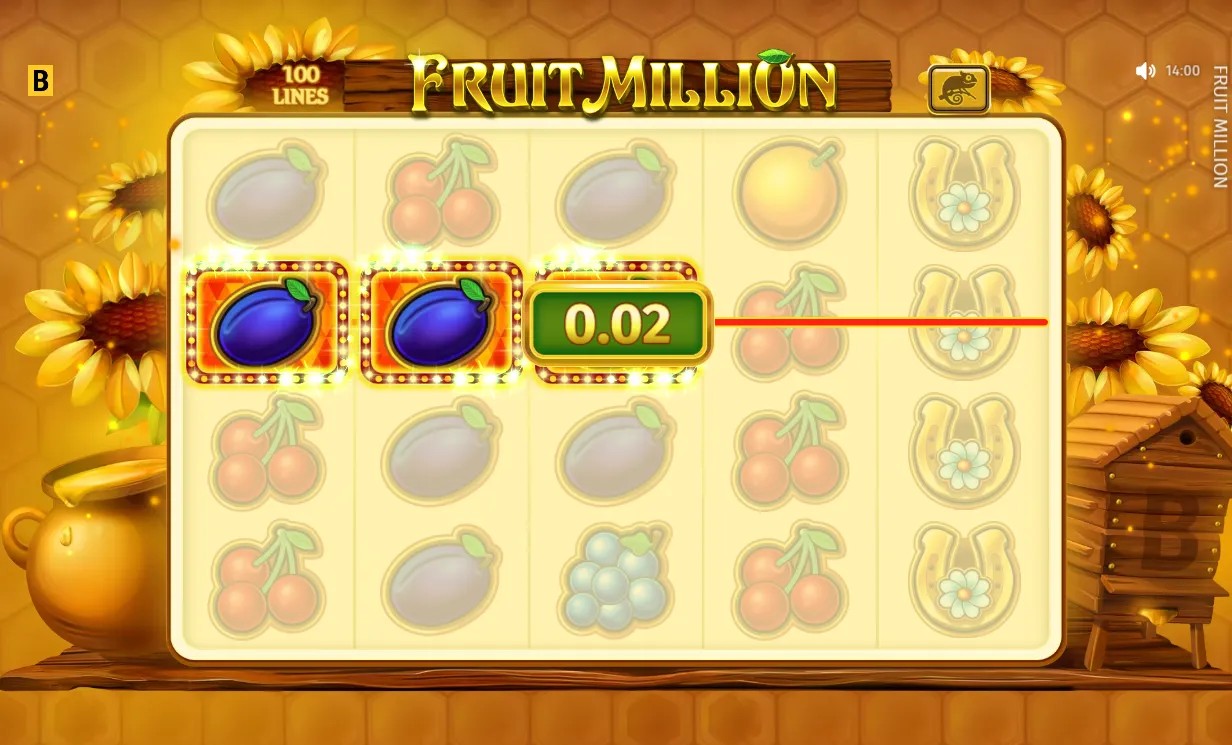





Fruit Million

Fruit Million Login In Austria

How to log in to Fruit Million in 2026, check security and limits, and find help - for 18+ in Austria.

Fruit Million demo
login image 1
Fruit Million

Why Mobile Access Is Different In 2026

Everything is faster on your phone: open the app, jump in quickly, a few spins, done. This very pace makes it convenient to get started – and susceptible to careless mistakes. In 2026, many play on multiple devices, switch between Wi-Fi and mobile data, and leave sessions open because it's “practical”. If you can play in Austria, a conscious setup is worthwhile so that convenience doesn't turn into chaos.

Imagine you're on the subway, the network briefly drops, and you're not sure if you're properly logged in. Many then type hectically, request multiple codes, and lose track. A standard procedure is better: first stabilize the connection, then log in, then quickly check if account and security menus are accessible. This seems unspectacular but saves nerves.

Another point: mobile devices are personal. If your phone is lying around unlocked, the path to account menus is far too short. That's why device lock is just as much a part of the gaming routine as budget and breaks. Not as a “fear topic”, but as practical hygiene – especially if you're tired in the evening and tend to click by feel.

Fruit Million

Fruit Million Login: Get Started Quickly, But Securely

Getting started should feel like a small checklist. You open the platform, log in, check your account balance, set a time limit, and only then start the game. This keeps your head clear – especially with slots where the flow quickly takes over. Important remains: only for adults (18+) and within the framework of the applicable rules.

Imagine you just want to “quickly check”, but then get a confirmation request, and suddenly you're annoyed. This is when most mistakes happen: wrong password, multiple code attempts, unnecessary changes. The better way is calm: one attempt, then a break, then a clean restart. If it's stuck, often closing the app, reopening it, and only then continuing helps.

Security doesn't mean you have to make everything difficult for yourself. It's enough to set the right brakes: a strong password, device lock, and a clear end to the session (really close, don't just hit “back”). Once you have this as a routine, everything feels more relaxed – because you don't constantly feel like you've “missed” something.

Fruit Million

Account And Security In Everyday Life

Security in everyday life is not a big project, but a series of small decisions. Which email or number do you really use for the account? Do you have access to it when you're on the go? Is your device set up so that no one can read along as they pass by? If you clarify these basics, you'll have significantly less stress later when making deposits and withdrawals.

Imagine you log in late at night because you want to play “just for a bit”. You're tired, type faster, overlook a detail – and the next day something isn't right. That's exactly why a fixed routine is so helpful: sensitive steps (registration, account details, payments) are better done when you have two minutes of peace. This is not a sacrifice; this is control.

Password, Device Lock, Biometrics

A good password is unique and not “one for everything”. Combine that with a device lock and only use biometrics if your device is private and locks automatically quickly. This sounds trivial but is the difference between “I play relaxed” and “I hope nothing happens”. Also, keep the session clean: log out after playing or close the app completely.

Imagine you briefly hand someone your phone to show a photo. If you're still logged in, one tap in the wrong corner is enough, and suddenly someone is in your account. That's not dramatic, but unnecessary. A simple habit solves it: log out before putting it away, or at least close the app and lock the screen.

If you need to reset your password, don't do it under stress. Take a moment, choose a strong new password, and save it securely. A “temporary” password that you intend to change later usually stays longer than planned – and that's exactly what causes the next mishap.

Codes, Confirmations, Last Message Applies

One-time code systems are often annoying when you combine them with a bad network and too much haste. The most important rule is simple: always use only the last code you receive. Don't request five, don't try wildly, and don't jump between apps while confirming. This way you avoid loops, blocks, and unnecessary waiting time.

Imagine you're waiting for a code, it arrives late, you request a new one – and then both arrive. Many type in the first one because it was visible first, and wonder why it doesn't work. The calmer way: take the newest one, complete the step, and only then proceed. If it still doesn't work, don't change ten things at once. Do a reset: close the app, check the connection, restart.

If you often switch between Wi-Fi and mobile data, it can help to consciously make confirmations only on a stable network. This is not mandatory, but a smart shortcut – not to a bonus round, but to less stress.

H4 Typical Login Errors

The most common error is speed: too fast, too many attempts, too little control. Right behind that comes distraction: notifications, parallel apps, restless environment. A third classic is “better safe than sorry” – i.e., performing steps twice because one is unsure. That's exactly what often makes it worse.

Imagine the app briefly freezes, you tap twice because you think it didn't respond. Afterwards, you don't know what applies anymore. Better: wait, check status, then act. And if you notice that you're annoyed, that's a good signal for a break – not for more clicks.

H4 Mini-Check Before Starting

Before you actually play, do a mini-check: Is my network stable? Do I have enough battery? Are my limits set? Do I know where history and support are? This takes less than a minute but often saves ten minutes of hassle. Especially in 2026, where everything is supposed to feel smooth, this small brake helps to stay in control.

Imagine you start without a check and only realize in the middle of the session that you've lost track of time. Then the best solution is not “keep hoping”, but to stop, set limits, and only then get back in. If you get into this habit, your gaming behavior will automatically become calmer.

login image 2
Fruit Million

Depositing And Withdrawing Without Stress

Payments are the moment when the feeling of play becomes a concrete process. And processes need calm. When you move money, do it consciously: check the amount, check the method, confirm, then check the history. No haste, no parallel changes. In Austria, the whole thing should be considered entertainment for 18+ – not a spontaneous “let's see”.

Imagine you want to deposit quickly, but you're on the go and get interrupted. Afterwards, you're unsure if it went through and do it again. That's exactly how chaos arises. The better standard: first look into the history, read the status, then decide. History beats gut feeling.

Deposit As A Test Run

Especially for the first time, a deposit is best a test run. Not because you “distrust”, but because you want to get to know the processes: Where do you see the confirmation? Where do you find limits? How do you cleanly end a session? A small amount is enough to check if you can find your way around the menus and if you can really stop when you intend to.

Imagine you have a good start and think: “Quickly reload while it's going well.” That's a classic moment where emotion takes over the hand. A simple rule helps: one deposit per session, no top-ups without a break. If you still want to deposit after the break, at least it's a conscious decision.

Timing is also important. It's better to make payments when you're not simultaneously cooking, on the phone, or on the go. Two minutes of focus often makes the difference between “all clear” and “what just happened?”.

Step

What You Pay Attention To

Why It Helps

If It Gets Stuck

Confirm Amount

Amount, Limit, Calm in the Moment

Stops Impulse Clicks

Cancel, wait briefly, re-check

Choose Method

Known Option, Clear Confirmation

Fewer Confusions

Check history instead of repeating

Check History

Status and Timestamp

Brings clarity

Screenshot for you, then support

Session Limit

Time and Loss Limit

Makes stopping easier

Set limits before playing again

Device Focus

No distractions, stable network

Fewer misclicks

Close app, switch network, restart

Find Help

Support path, short note

Saves time

Write short, concrete, with status

Withdrawal As Checklist

Withdrawals become much calmer if you treat it like a checklist: choose method, enter amount, confirm, track status. You don't have to do more. What you should avoid: changing methods in the middle of the process, changing account details while something is ongoing, or sending multiple requests just because you're impatient. This rarely speeds things up, but often causes confusion.

Imagine seeing “in progress” and constantly refreshing. You get nervous, try again, and in the end, you no longer know which request is valid. The better way is to be deliberately slow: view status, wait, check again later. If you need help, you'll then have clear facts: time, amount, status.

If you notice yourself getting upset about waiting times, take a break. Anger is a bad advisor, especially with financial steps. A few minutes away often makes more sense than ten new clicks.

Read History And Status Displays

The history is your anchor. There you see what really happened - not what you think might have happened. Make it a habit: check the history after every important step. This is especially true on mobile devices, where loading times or network changes can quickly make you insecure.

Imagine the app loading slowly, you're unsure if an action was accepted. Instead of repeating, go to history and read the status line. If something is still running, let it run. If something is missing, note the time and ask support with exactly this data. This keeps communication short and solvable.

History also helps with verification issues: you see if something has been submitted or if a step is still open. This prevents you from sending everything twice or changing several things at once.

Fruit Million

Top casinos for playing Fruit Million - current list

ALF Casino

ALF Casino

Mafia Casino

Mafia Casino

SG Casino

SG Casino

Retro Bet

Retro Bet

leovegas

LeoVegas

Fruit Million

Playing Rhythm, Limits, And Responsibility

Mobile slots have a strong pull because they feel like “short entertainment”. To keep it just that, you need limits that you set before playing. Time limit, loss limit, deposit limit, break rule. If you do this properly, you play more relaxed - no matter if you win or lose.

Imagine you want to switch off, but after ten minutes, you notice you're typing faster and thinking less. That's your signal. Not to “prove something”, but to pause. Responsibility 2026 often means: hitting the brakes sooner, not regretting later.

Keep Stakes Calm

A stable stake is like a railing. You don't have to decide every minute whether to go higher or lower, and that's precisely what keeps your mind clear. Frequent stake changes are usually not strategy, but reaction - to impatience, to frustration, to euphoria. If you recognize this, you can stop it.

Imagine you've had a few rounds without a hit, you get restless and want to increase your stake “so it's worth it”. That's the classic spiral. A practical rule prevents it: no stake change without a break. Get up, get some water, briefly check your time and budget. If you still want to change it afterwards, at least it's not on impulse.

If you notice that you constantly want to change despite the rule, that's a sign: a shorter session or lower stakes today. Not because you “have to”, but because otherwise, it's no longer enjoyable.

Session Timer And Reality Checks

Timers seem simple but are extremely effective. They take the negotiation away from you. A reality check is essentially the same: a reminder that briefly pulls you out. Both help you interrupt autopilot before it extends the session.

Imagine you tell yourself “I'll stop in a moment” and say that ten times. This is exactly where a timer saves you, because it makes the end objective. Combine this with a short ritual: when the timer rings, look at your history, take a breath, and then decide. Not while you're clicking, but in peace.

If you want to maintain a good feeling, set the timer rather too short than too long. You can start a new session later. That's much more pleasant than “pushing through” a session just because you're already in it.

Timeout And Self-Exclusion

Timeout is the quick brake. Self-exclusion is the clear pause when you notice that you repeatedly aren't playing the way you want to. Both are practical tools, not a drama show. If you use them before you're completely annoyed, stopping feels easy.

Imagine you catch yourself thinking: “I have to get that back now.” That's a strong warning sign. Timeout helps because it breaks the moment. If this pattern appears regularly, a longer ban is often the more honest step - you give yourself space instead of constantly negotiating against yourself.

In Austria, the whole thing should always be considered 18+ entertainment. If it affects your sleep, mood, or budget, breaks are not just “okay,” but sensible.

login image 3

Support and Troubleshooting in Everyday Life

Most problems are not mysteries. They are updates, networks, cache, wrong codes, or too many attempts in a row. The difference lies in the reaction: frantic clicking or a clean reset. If you get used to a clear error routine, you will need support much less often.

Imagine the game isn't loading correctly and you're already in the mood to play. You click faster, the app hangs even more, and you get grumpy. The better way: close the app, restart the device, check the connection, and only then open it again. If you still want to play after that, you start with calm - not with anger.

Write Clearly, Find Solutions Quickly

Support works best when you keep it brief and specific. Three points are enough: what you did, what you expected, what happened. Plus, the time and status from your history. That's not “formal,” that's efficient.

Imagine you write a long, angry text with five topics. Often, you'll get a standard reply because no one immediately understands what you really need. If you stay factual, however, you're more likely to get concrete instructions. And if you notice you're emotional, take a break first. Sometimes the problem resolves itself while you're restarting your phone.

A good trick: quickly write a note for yourself before contacting support. Not for them, for you. Last action, status, time. Then your message will automatically be clear, and you'll save yourself follow-up questions.

60-Second Reset for Freezes

If something freezes, always do the reset immediately: close the app completely, check the network, briefly restart the device, then try again. Don't tap five times in a row. Don't change your password and start a deposit at the same time. One step at a time.

Imagine you receive codes late and try several. This often leads to blocks. Better: request one code, wait, only use the latest one, and stabilize the network first if it's unstable. It's boring, but it works - and that's what it's about.

If you play again afterwards, start with a short block round and a timer. This way, you get back into a calm rhythm instead of immediately falling back into the flow.

FAQ

How do I log in fastest without making mistakes?

Only log in with a stable network and without distractions, so you don't accidentally perform multiple steps twice. Imagine you're on the go and receive codes late - then patience is the best shortcut. Always use only the last confirmation, complete the process, and only then proceed, instead of frantically typing around.

What helps if I've forgotten my password?

Reset the password calmly, choose a strong new option, and save it securely so you don't end up in the same spot next week. Imagine you do it under stress and choose something simple - then the next problem immediately arises. Better is a quick, clean reset with a clear completion routine: then log out, close the app, done.

Why does the confirmation code sometimes arrive late?

It's often due to fluctuating connection, background apps, or requesting multiple codes too quickly. Imagine you request three codes and try them one by one - that often ends in a loop. Request one, wait, use the newest, and stabilize the network first before trying again.

How do I prevent duplicate mobile deposits?

Only make financial transactions when you have two minutes of calm, and after confirming, immediately check your history instead of repeating something. Imagine the app loads briefly and you tap again - that's exactly how duplicate actions happen. A brief stop before clicking and a glance at the status bar are the simplest safeguards.

When is a timeout really useful?

As soon as you notice you're clicking faster, getting restless, or wanting to “get back” after losses. Imagine you constantly tell yourself “just a little longer” - that's the clear sign that autopilot is running. Timeout breaks the pattern, and if it happens often, a longer break or ban can be the better, more relaxed solution.

How do I know I should stop today?

When you're no longer making conscious decisions: many small stake changes, more frustration, less overview. Imagine you barely look at time or budget anymore and only play by feeling - then it's time to stop. Short sessions, fixed timers, and clear limits help you keep it entertaining and avoid stress.

What should I write to support to make it faster?

Write briefly: last action, expected outcome, actual outcome - plus time and status from your history. Imagine you send a long, angry message - then follow-up questions arise, and it takes longer. With a concise, factual description, you usually get a clear answer faster, without unnecessary back and forth.

Play Now
🇬🇧 English